For decades, the world has been captivated by tiny, furry, and often surprisingly melodic protagonists with big personalities. These aren't just any woodland creatures; they're some of the most enduring and beloved figures in animation and music history. From mischievous duos to an entire singing sensation, the world of Famous Chipmunk Cartoon Characters & Origins offers a fascinating peek into creative genius, technological innovation, and timeless storytelling.
If you've ever hummed along to a high-pitched pop tune or chuckled at a squabbling rodent pair, you've experienced the magic of these characters. But how did these small, striped rodents become such giants in popular culture? Let's dive in.
At a Glance: Your Chipmunk Character Cheat Sheet
- The Pioneers: The Chipmunks (Alvin, Simon, Theodore) burst onto the scene in 1958, created by Ross Bagdasarian Sr.
- Disney's Darlings: Chip 'n Dale made their debut in 1943, becoming mainstays of the Disney animated universe.
- Vocal Magic: The Chipmunks' signature sound comes from recording voices at a slow speed and playing them back fast.
- Distinct Personalities: Each famous chipmunk group features unique character traits, from Alvin's rebellion to Chip's leadership.
- Lasting Legacy: Both groups have evolved through various TV shows, movies, and musical albums, entertaining generations.
- Unrelated Universes: Despite their shared species, Alvin and the Chipmunks exist in a completely separate world from Chip 'n Dale.
The Enduring Appeal of the Animated Acorn-Hunters
What is it about chipmunks that makes them so endearing, so ripe for cartoon stardom? Perhaps it's their diminutive size paired with boundless energy, or their natural inclination for collecting, which can easily translate into comedic scenarios. For creators, these little critters offer a blank canvas for projecting human traits – ambition, intellect, mischief, and even musical talent – onto a charming, non-threatening form.
Their visual appeal, with their striped backs, bushy tails, and perpetually busy demeanor, makes them inherently engaging. But beyond the aesthetics, the most successful chipmunk characters have transcended simple animal portrayals to become iconic figures with complex (or at least, highly distinct) personalities that resonate with audiences of all ages.
The Musical Maestros: Alvin and the Chipmunks
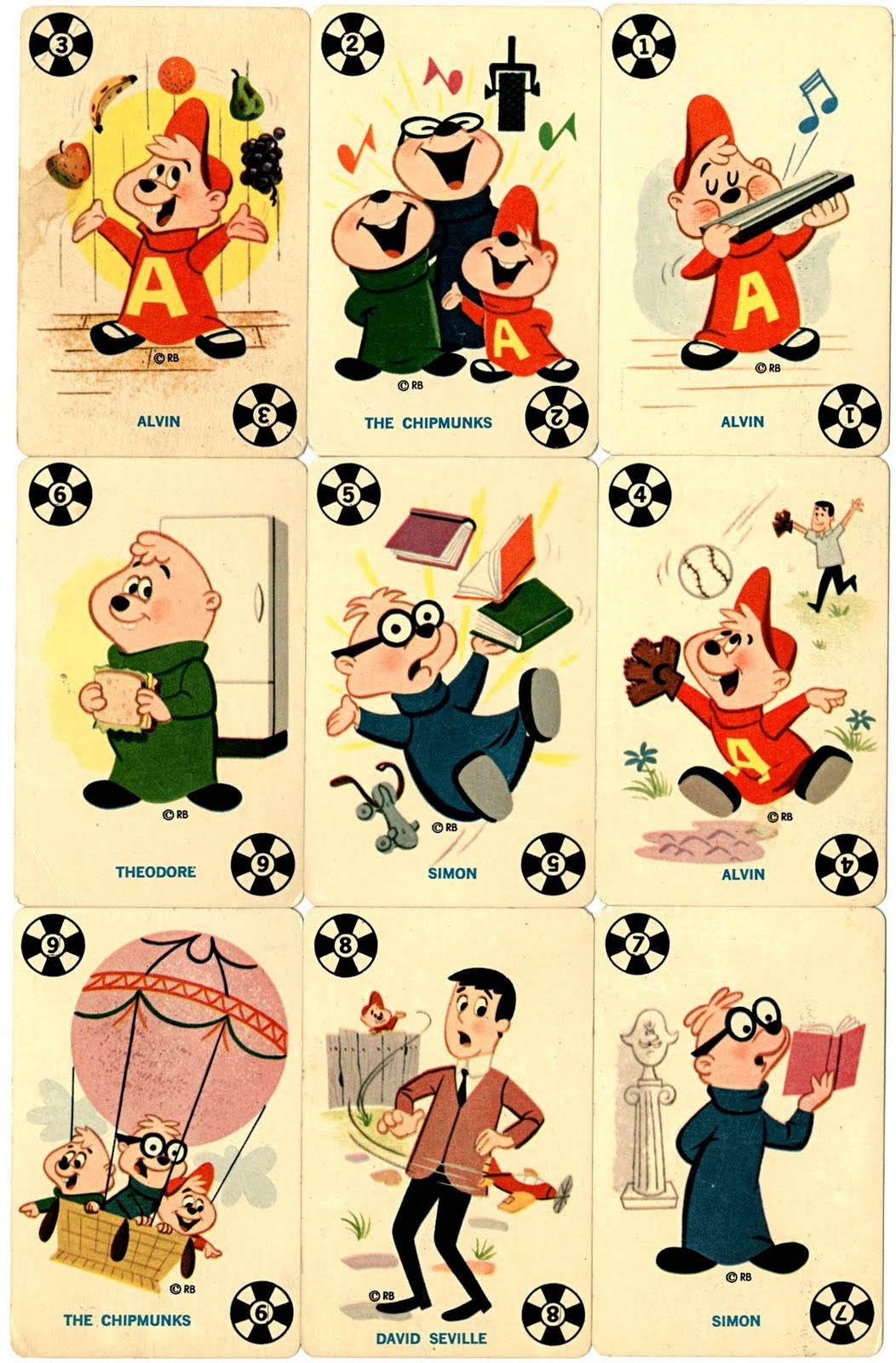
Without a doubt, Alvin, Simon, and Theodore are the world's most famous singing chipmunks. Their story is a remarkable blend of musical innovation and character development that began not on a drawing board, but in a recording studio.
A Pioneering Sound: The Birth of a Sensation
The year was 1958, and Armenian-American songwriter and musician Ross Bagdasarian Sr. (who performed under the stage name David Seville) was experimenting with a new recording technique. Inspired by a novelty song called "Witch Doctor," which featured a sped-up vocal chorus, Bagdasarian purchased a variable-speed tape recorder. He began recording his own voice at a slower speed and then playing it back at a faster tempo, resulting in the distinctive, high-pitched "chipmunk voice."
His first major hit using this technique was "The Chipmunk Song (Christmas Don't Be Late)." But merely having a unique sound wasn't enough; he needed characters to embody it. And so, Alvin, Simon, and Theodore were born, named after the executives at Liberty Records: Alvin Bennett, Simon Waronker, and Theodore Keep.
Meet the Trio: Personalities that Pop
These aren't just three identical chipmunks; their distinct personalities are key to their lasting appeal:
- Alvin: The undeniable star, a mischievous, rebellious, and hot-headed chipmunk with a penchant for causing trouble and pushing boundaries. He's often the leader of their antics, always seeking attention and excitement. His confident (sometimes arrogant) personality drives much of the group's dynamic.
- Simon: The intelligent, bespectacled, and pragmatic chipmunk. He's the brains of the operation, often coming up with solutions to Alvin's problems or trying to prevent them in the first place. Simon is the most responsible and intellectual of the three, characterized by his dry wit and logical approach to life.
- Theodore: The sweet, innocent, and somewhat naive chipmunk. He's the youngest and most sensitive, often serving as the emotional center of the group. Theodore loves food, is easily frightened, and is known for his big heart and gentle nature.
Their human manager and adoptive father, David Seville (voiced by Bagdasarian himself, and later by his son, Ross Bagdasarian Jr.), constantly tries to rein in Alvin's antics while nurturing their musical talent. This "long-suffering father figure" dynamic became a cornerstone of their storytelling.
From Vinyl to Visuals: The Evolution of The Chipmunks
Initially, The Chipmunks were a purely auditory phenomenon, topping the charts with their unique sound. Their first animated appearances were simple, static drawings. However, their popularity soon demanded more robust visual representation.
- The Alvin Show (1961-1962): This was their first foray into television animation, solidifying their visual designs and personalities. It blended musical segments with comedic plots.
- Alvin and the Chipmunks (1983-1990): After a hiatus and the passing of Ross Bagdasarian Sr., his son, Ross Bagdasarian Jr., revived the franchise. This Saturday morning cartoon introduced new characters, including The Chipettes (Brittany, Jeanette, and Eleanor), and delved into more contemporary storylines.
- Alvin and the Chipmunks Movies (2007-2015): The franchise experienced a major resurgence with live-action/CGI hybrid films, introducing the characters to a new generation while maintaining their core appeal and signature voices.
- Alvinnn!!! and the Chipmunks (2015-Present): A modern CGI animated series that continues to explore their adventures in a contemporary setting.
The Chipmunks' journey from a novelty record to a multimedia empire highlights their incredible adaptability and the timeless appeal of their characters and music. Their story is a testament to the power of a simple, brilliant idea executed with consistent creativity. If you're looking to delve deeper into their animated adventures, you can always Explore our chipmunk cartoons and see how their legacy continues to thrive.
Disney's Mischievous Duo: Chip 'n Dale
Long before Alvin and his brothers sang their first note, two other famous chipmunks were making waves in the world of animation. Chip 'n Dale, the dynamic duo from Disney, carved out their niche with slapstick comedy, witty banter, and an eternal quest for nuts.
Origins in Disney's Golden Age
Chip 'n Dale first appeared individually as nameless chipmunks in the 1943 Pluto short, "Private Pluto." They officially became a duo, with their now-iconic names, in the 1947 short "Chip an' Dale," where they antagonized Donald Duck over his firewood. Their popularity quickly grew, leading to them starring in their own series of shorts throughout the late 1940s and 1950s, often clashing with Donald Duck or Pluto.
Telling Them Apart: Beyond the Stripes
Unlike The Chipmunks, whose individual traits are heavily emphasized, Chip 'n Dale's distinction is more subtle but equally effective for their comedic dynamic:
- Chip: The more sensible, organized, and often exasperated leader of the two. He's identifiable by his small, black nose (resembling a chocolate chip) and often has a single tuft of hair on his head. Chip is typically the brains of their schemes, though they don't always go according to plan.
- Dale: The more goofy, impulsive, and less intelligent of the pair. He's recognized by his larger, red nose (like a cherry) and usually has two prominent front teeth visible, along with shaggier fur on top of his head. Dale's foolishness often gets them into trouble, but sometimes his accidental brilliance saves the day.
Their personalities are perfectly complementary for slapstick comedy, with Chip's meticulous planning often undone by Dale's spontaneous chaos.
The Evolution of Their Adventures: From Foes to Heroes
For decades, Chip 'n Dale were primarily known for their roles as antagonists or foils to other Disney characters. Their interactions with Donald Duck, in particular, became legendary, showcasing a classic rivalry between a hot-tempered duck and two cunning chipmunks.
However, their roles expanded significantly in the late 1980s with Chip 'n Dale: Rescue Rangers (1989-1990). This hugely popular animated series reimagined them as detective agency owners, solving mysteries alongside new companions like Gadget Hackwrench, Monterey Jack, and Zipper. This transformation gave them voices (before this, their dialogue was mostly high-pitched chattering) and allowed for more complex storytelling and character development, solidifying their status as beloved Disney icons.
More recently, the duo starred in a critically acclaimed live-action/CGI hybrid film, "Chip 'n Dale: Rescue Rangers" (2022) on Disney+, which provided a meta-commentary on their history and the animation industry, proving their enduring relevance.
The Science (and Art) Behind the Squeaks
One of the most distinctive features of Alvin and the Chipmunks is their high-pitched, fast-paced voices. This isn't just a cartoon trick; it's a specific audio manipulation technique that was revolutionary at the time and remains fascinating today.
The Variable-Speed Recorder: A Game Changer
Ross Bagdasarian Sr.'s genius lay in his innovative use of a variable-speed tape recorder. Here's how it works:
- Slow Recording: Bagdasarian would sing or speak his lines at a much slower tempo than normal, often in a deep, exaggerated voice.
- Fast Playback: When the recorded tape was played back at a significantly faster speed, two things happened:
- Pitch Increase: The audio frequency (pitch) of the voice increased dramatically, creating the squeaky, high-pitched sound.
- Tempo Increase: The overall playback speed of the recording also increased, making the delivery sound incredibly fast.
This process, sometimes called "varispeed" or "chipmunking," was a manual and laborious one in its early days, requiring careful timing and vocal performance from Bagdasarian. Today, digital audio workstations can achieve the same effect with ease, but the original method was a groundbreaking technical feat that defined the sound of The Chipmunks. It proved that sound manipulation could be a powerful tool for character creation and comedic effect, forever linking a specific audio technique to these famous furry singers.
Why Do We Love Them So Much? The Psychology of Tiny Trouble-Makers
Beyond their catchy tunes and slapstick antics, why have these chipmunk characters resonated with generations? Their appeal taps into several fundamental aspects of human psychology and storytelling.
- Relatability through Humanization: Despite being animals, both The Chipmunks and Chip 'n Dale exhibit strikingly human traits and dilemmas. Alvin's desire for fame, Simon's intellectual struggles, Theodore's innocence, Chip's responsible nature, and Dale's goofy impulsiveness are all reflections of personalities we recognize in ourselves, our families, and our friends. They navigate sibling rivalry, friendship dynamics, and the pursuit of goals, albeit on a much smaller scale.
- The Underdog Charm: Chipmunks are small creatures. When they outsmart a human, a dog, or a formidable antagonist, there's an inherent satisfaction in seeing the underdog succeed. Their size makes their victories feel even more earned and delightful.
- Innocent Mischief and Chaos: There's a certain joy in watching characters get away with harmless mischief. Whether it's Alvin's pranks or Chip 'n Dale's relentless pursuit of food, their actions are typically driven by simple, understandable desires, making their chaos more endearing than threatening. They represent a playful rebellion against adult rules.
- The Family Dynamic: For The Chipmunks, the core appeal lies in their unconventional family unit with David Seville. It's a blend of parental guidance, sibling squabbles, and unconditional love, a relatable framework that children can understand and adults can appreciate.
- Nostalgia and Enduring Legacy: For many adults, these characters are a direct link to their childhoods. The continuity of their stories through different eras and media (from records to TV to movies) allows new generations to discover them, while older fans can revisit them, creating a powerful sense of shared cultural history.
From Screen to Stage to Song: Their Cultural Impact
The influence of famous chipmunk characters stretches far beyond their individual cartoons. They've left an indelible mark on music, merchandising, and the very fabric of popular culture.
The Chipmunks: A Music Industry Phenomenon
Alvin and the Chipmunks aren't just cartoon characters; they're bona fide music stars. "The Chipmunk Song" remains one of the best-selling singles of all time, and their numerous albums have achieved multi-platinum status. They've covered countless popular songs, often giving them a fresh, comedic spin. Their musical success proved that animated characters could be credible recording artists, paving the way for other character-based music acts. Their annual Christmas albums are a holiday tradition for many families.
Chip 'n Dale: Disney Icons and Storytelling Staples
Chip 'n Dale's impact is rooted in their versatility within the Disney universe. They effortlessly transitioned from short film stars to lead characters in their own television series, and continue to appear in various Disney theme park attractions, merchandise, and new animated projects. Their enduring appeal speaks to Disney's ability to create timeless characters that can adapt to different eras and narratives. Their "Rescue Rangers" iteration, in particular, showcased how existing characters could be successfully reimagined for new audiences and genres, influencing character development in animation.
Merchandising Empires and Enduring Brands
Both sets of characters have spawned vast merchandising empires, from toys and clothing to video games and books. Their recognizable likenesses and strong brand identities make them perennial favorites for consumer products, further cementing their place in the cultural consciousness. They are more than just images; they represent specific personality types and entertainment experiences.
Common Questions About Our Furry Friends
You've got questions about these tiny titans, and we've got answers!
Are Chip 'n Dale Related to Alvin and The Chipmunks?
No, despite being the same species and both being famous animated chipmunks, Chip 'n Dale exist in a completely separate fictional universe from Alvin, Simon, and Theodore. They were created by different studios (Disney vs. Bagdasarian Productions/Universal) and have entirely distinct origins, storylines, and creative teams behind them. Think of them as two different families of human cartoon characters – they're the same species, but not related.
Who Came First: Chip 'n Dale or Alvin and The Chipmunks?
Chip 'n Dale made their debut first. They appeared as a duo in the Disney short "Chip an' Dale" in 1947, though nameless chipmunks resembling them appeared as early as 1943. Alvin and the Chipmunks, in their initial musical form, burst onto the scene in 1958. So, the Disney duo predates the musical trio by about a decade.
Why Are Chipmunks So Often Portrayed as Singers in Cartoons?
This is almost exclusively due to the runaway success of Alvin and the Chipmunks. Ross Bagdasarian Sr.'s innovative use of vari-speed recording to create their distinctive voices effectively invented the concept of a "singing chipmunk" act. Before them, there was no strong association. Their immense popularity then inspired the idea that chipmunks, with their natural high-pitched chirps and energetic demeanor, could be fitting vessels for musical antics. However, Chip 'n Dale, for instance, are rarely (if ever) depicted as singers; their appeal is purely comedic and action-oriented.
Are Real Chipmunks Really That Smart or Mischievous?
While real chipmunks are incredibly agile, clever, and certainly mischievous in their pursuit of food (often raiding bird feeders or gardens), their intelligence and capacity for elaborate pranks or detective work are largely exaggerated for cartoon purposes. Real chipmunks are wild animals driven by instinct, primarily focused on foraging, nesting, and avoiding predators. The complex personalities, problem-solving abilities, and musical talents seen in cartoons are purely anthropomorphic embellishments for entertainment.
More Than Just Cartoons: Their Lasting Legacy in Animation History
From Ross Bagdasarian Sr.'s groundbreaking audio experiments to Disney's masterful character animation, famous chipmunk cartoon characters are a testament to creative ingenuity and the enduring power of compelling storytelling. They've given us catchy songs, timeless laughs, and characters that feel like old friends.
Whether you're tapping your foot to an Alvin and the Chipmunks hit or rooting for Chip 'n Dale in their latest adventure, these small, striped heroes continue to demonstrate that even the smallest creatures can leave the biggest footprints in our hearts and in the annals of animation history. They remind us that creativity, a good sense of humor, and perhaps a high-pitched voice can lead to truly unforgettable entertainment.